MASTER GARDNER LLC
Landscape Design Ada: 2026 Trends to Know
Ada homeowners are rethinking what their outdoor spaces can actually do. Yards are no longer just patches of grass to maintain seasonally. They are becoming functional, beautiful extensions of the home itself.
Master Gardner has been watching this shift happen across West Michigan, and the 2026 design trends emerging in Ada neighborhoods reflect a smarter, more intentional approach to property. Whether you have a sprawling residential lot or a compact commercial outdoor area, understanding these trends helps you invest wisely and avoid costly mistakes.
Why Ada Homeowners Are Rethinking Outdoor Space
Ada sits in a unique position. Its tree-lined streets, mature lots, and proximity to the Thornapple River give homeowners genuinely beautiful bones to work with. But the old model of planting a few annuals, spreading mulch, and calling it done no longer cuts it.
Rising labor costs and shifting weather patterns are pushing property owners to make smarter, longer-lasting choices. The result is a wave of landscape design projects focused on durability, low maintenance, and year-round usability.
The Rise of Outdoor Living Rooms in West Michigan
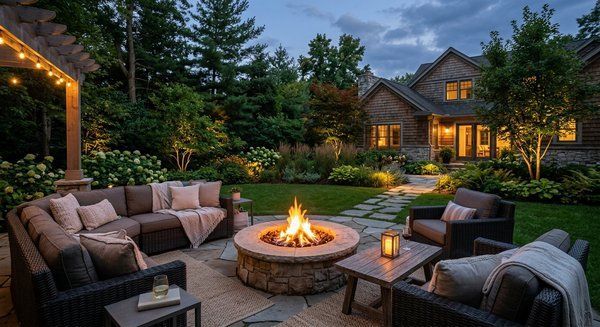
The single biggest landscape design shift happening in 2026 is the move toward intimate, purposeful outdoor spaces. Sprawling open hardscapes are giving way to what designers are calling "outdoor living rooms" or cozy "garden nooks."
Think about what makes an indoor living room work: comfortable seating, warm lighting, a focal point like a fireplace. Now bring all of that outside.
In Ada and neighboring West Michigan communities, these custom outdoor areas commonly include:
- Built-in seating with all-weather cushions and defined gathering zones
- Ambient low-voltage landscape lighting for evening use
- Structural overhead shade like pergolas or pavilions
- Gas or wood-burning fire pits and built-in fireplaces
That last item is critical for Michigan climates. Ada evenings turn chilly fast, even in early September. A fire feature is not a luxury here. It is what separates a space you use three months a year from one you enjoy well into autumn.
Ditching High-Maintenance Turf for Native Landscapes
Endless turfgrass is falling out of favor, and for good reason. High water demand, expensive treatments, and vulnerability to seasonal pests make traditional lawns resource-heavy. In 2026, Ada homeowners and commercial property managers alike are making the move toward native West Michigan plantings.
Species like Purple Coneflower, Serviceberry, and Black-eyed Susans are naturally adapted to local soils and Michigan's variable climate. They require significantly less water and minimal chemical fertilization compared to conventional turf. They also support local pollinators, which matters increasingly to both residential clients and businesses projecting an environmentally conscious image.
The visual payoff is real too. A native landscape delivers multi-seasonal color, texture, and interest that a standard lawn simply cannot match. Spring blooms, summer color, and fall seed heads all work together across a thoughtfully designed planting plan.
This shift is also practical from a budget standpoint. Fewer inputs mean lower ongoing costs. Once established, native landscapes largely take care of themselves between professional maintenance visits.
Smart Irrigation: Precision Over Guesswork
Efficient landscape design in 2026 extends beyond what you plant and how you arrange it. How you water matters just as much.
The old method of setting a timer and running sprinklers on a fixed schedule is inefficient and, in humid Michigan summers, actively harmful. Overwatering is one of the leading causes of fungal lawn disease in West Michigan. It also drives up water utility bills unnecessarily.
Smart, weather-responsive irrigation controllers have become a standard expectation for well-maintained properties. These systems read real-time local weather data and soil moisture levels to deliver water only when and where it is actually needed. For Ada homeowners investing in native plantings or premium hardscape areas, pairing your landscape with a precision irrigation setup protects that investment from the start.
Landscape Design for Commercial Properties in Ada
Commercial clients in Ada face a distinct set of pressures. First impressions matter. A well-designed commercial exterior communicates professionalism, care, and attention to detail before a single customer walks through the door.
In 2026, commercial landscape design is moving away from generic, high-maintenance plantings toward durable, intentional designs that look polished with less constant intervention. Native plant borders, defined hardscape entries, and smart lighting systems are all practical choices that serve both aesthetics and function.
Low-maintenance native landscapes are especially smart for commercial properties that may not need weekly attention during slower seasons.
How to Start Your Landscape Design Project in Ada
If you are ready to move beyond a basic lawn, start here:
- Audit your current space. Identify what is working, what is dying, and what you never actually use.
- Define your goals. Is this about entertaining? Curb appeal? Reducing maintenance? A fire feature for fall nights?
- Consider year-round usability. Ada's climate rewards designs built for spring through late fall, not just July.
- Think about native plants early. Incorporating them from the design stage is far more cost-effective than retrofitting later.
- Plan for lighting. Low-voltage landscape lighting dramatically changes how a space feels after dark and extends your outdoor season.
Ready to transform your Ada property into an outdoor space you actually use? Contact Master Gardner today to talk through your landscape design goals and get a plan built around your property, your budget, and the Michigan seasons.
FAQs
What is the most popular landscape design feature in Ada right now?
Outdoor living spaces with built-in fire features are leading the trend in 2026. Ada homeowners want spaces they can use from spring through late autumn, and a fire pit or fireplace makes that possible on chilly Michigan evenings.
Are native plants a good fit for Ada's climate?
Yes. Species like Purple Coneflower and Black-eyed Susans are naturally adapted to West Michigan soil and weather conditions. They require less water, fewer chemicals, and minimal upkeep compared to standard turf or annual flower beds.
How does smart irrigation improve a landscape design investment?
Smart irrigation delivers water based on real-time weather and soil data rather than a fixed schedule. This prevents overwatering, reduces fungal disease risk, lowers water bills, and protects the health of your plantings long-term.
Can landscape design add value to commercial properties in Ada?
Absolutely. A well-maintained, intentionally designed commercial exterior creates a strong first impression. Native plantings and quality hardscaping also reduce long-term maintenance costs, making it a smart financial decision alongside the aesthetic benefits.
How long does a landscape design project typically take?
Timelines vary based on scope. A simple planting refresh may take a few days. A full outdoor living space with hardscaping, lighting, and fire features can take several weeks from design to completion. Starting your project in late winter or early spring ensures you are ready to enjoy the space by peak outdoor season.