MASTER GARDNER LLC
How to Protect Your Ada, MI Lawn from Grubs, Fungal Disease, and Clay Soil Problems
Is Your Ada, MI Lawn Fighting a Silent Battle? Here's How to Win It
Your lawn may look fine on the surface, but underneath the grass blades and just below the soil, a combination of grubs, fungal diseases, and compacted clay could be quietly destroying everything you have worked hard to grow. For homeowners across Ada and the greater West Michigan region, these three threats are not rare edge cases. They are seasonal realities that show up in yard after yard, often going unnoticed until the damage is already done.
At
Master Gardner, we have seen what these problems look like in their early stages and in their worst-case outcomes. This guide is designed to help you identify the warning signs early, understand why your yard is vulnerable, and take the right steps to protect your landscape before the next season gets away from you.
The Clay Soil Problem: Why Ada Yards Are Different
If you have ever tried to dig into your yard after a rainstorm, you already know what clay soil feels like. Heavy, dense, and slow to drain, it is the default condition for a large portion of lawns in Kent County and the surrounding communities stretching through the Forest Hills and Cascade areas.
Clay soil compacts easily under the weight of foot traffic, lawn mowers, and even heavy rainfall. Once compacted, it traps moisture near the surface and restricts oxygen from reaching grassroots. This is not just inconvenient. It creates the exact conditions that invite two of the most damaging lawn threats in Michigan: fungal diseases and root-feeding grubs.
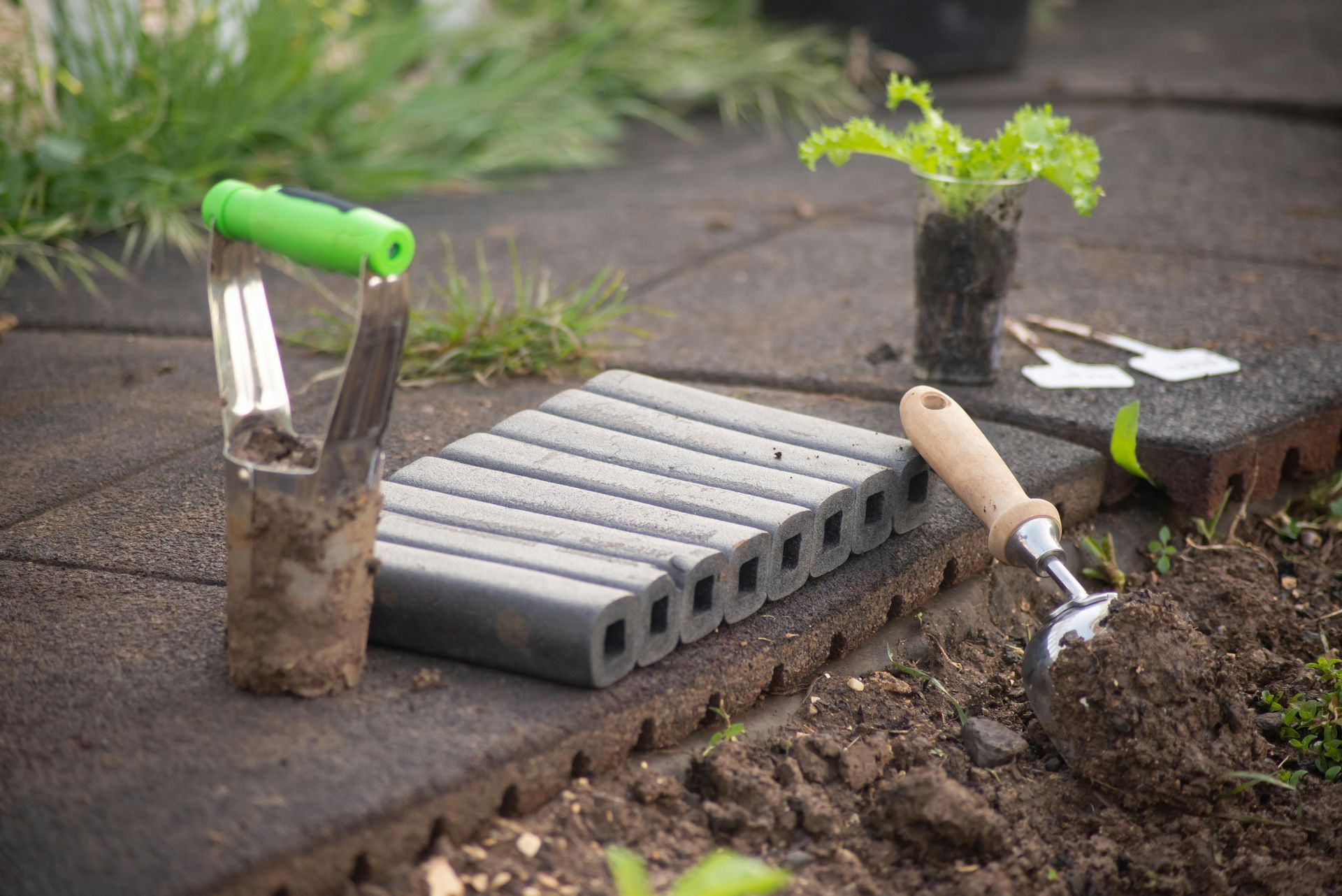
The most reliable long-term solution is fall core aeration. This process physically removes small plugs of soil from your lawn, loosening compaction, improving drainage, and creating channels for water, air, and nutrients to reach the root zone. Pairing aeration with overseeding introduces hardier grass varieties that fill in thin patches and build a denser turf over time. A denser turf is harder for both fungi and insects to invade.
Fungal Diseases That Thrive in Michigan's Humid Summers
Michigan summers are unpredictable. Hot, humid days followed by cool, dewy nights are almost guaranteed every season. Unfortunately, that weather pattern is a perfect incubator for fungal lawn diseases.
Three of the most common in this region are:
- Dollar Spot: Shows up as small, straw-colored circular patches roughly the size of a silver dollar. It spreads rapidly in lawns that are mowed too short or are under-fertilized.
- Red Thread: Produces pinkish-red threads visible on grass blades, especially in lawns with low nitrogen levels.
- Leaf Spot: Creates dark, water-soaked lesions on grass blades that eventually cause turf to thin and die out.
One of the simplest adjustments you can make right now is raising your mower blade. Cutting grass to around 3 inches encourages deeper root systems, improves shade coverage at the soil level, and reduces the moisture stress that fungi exploit. It is a small change with a surprisingly significant impact.
Consistent
lawn maintenance in Ada, MI, including proper fertilization and aeration scheduling, gives your lawn the nutritional strength to resist these diseases rather than just recover from them.
White Grubs: The Underground Threat You Cannot See Coming
White grubs are the larval stage of Japanese beetles and other common Michigan beetles. They live just below the soil surface and feed on the roots of your turfgrass throughout the late summer and early fall. Because their damage happens underground, most homeowners do not realize there is a problem until the lawn starts turning brown in unusual patches.
Here is the detail that makes grubs especially destructive: when an infestation is severe, the grass roots are chewed completely through. At that point, the turf peels back from the soil almost like a loose piece of carpet. By the time you see that, the damage has been done for weeks.
The most effective strategy is preventative treatment applied in early summer, before the grubs hatch and begin feeding. Waiting until you see the symptoms means the roots are already gone. A professional fertilization program also plays a critical role here. A lawn that is well-fed and structurally healthy can tolerate moderate pest pressure far better than a stressed, thin, or nutrient-depleted one.
Bonus: How Native Plants Can Reduce Your Maintenance Load
While addressing grubs, fungi, and soil compaction, it is worth considering a longer-term upgrade to your overall landscape design. Homeowners across Ada and West Michigan are increasingly turning to native Michigan plants such as Purple Coneflower, Black-eyed Susan, and Little Bluestem to reduce maintenance and increase resilience.
These plants evolved alongside Michigan's clay soils, erratic winter freezes, and humid summers. They need less water, fewer fertilizer applications, and far less weeding than traditional ornamental plantings. They also support local pollinators like bees and butterflies, which benefit the broader health of your yard ecosystem. If you are considering a landscape refresh, our
landscape installation services can help you design a beautiful, lower-maintenance property from the ground up.
FAQs
When is the best time to aerate my lawn in Michigan?
Fall is the ideal window for core aeration in West Michigan. Grass roots are actively growing during this period, which means the lawn recovers quickly and benefits most from the improved soil structure heading into winter.
How do I know if I have white grubs in my yard?
Look for irregular brown patches that appear in late summer even when the rest of your lawn is green. If you pull on the affected turf and it lifts up easily like a rug, grub feeding has likely destroyed the root system underneath.
Can I treat grubs after I already see damage?
Curative treatments exist but are less effective than preventative applications. If you see signs of grub damage, contact a lawn care professional immediately to assess the situation and stop further spread before it worsens.
What grass height should I maintain to prevent fungal disease?
Aim to keep your grass at approximately 3 inches tall. This height promotes deeper root growth, reduces soil moisture exposure, and creates a less hospitable environment for fungal pathogens like Dollar Spot and Red Thread.
Do native plants really require less maintenance than traditional landscaping?
Yes. Native Michigan plants are adapted to local soil and climate conditions, which means they require significantly less watering, fertilizing, and pest management compared to non-native ornamental plants once they are established.
Your lawn does not have to lose this battle. Whether you are dealing with compacted clay, creeping fungal patches, or the invisible damage of underground grubs, there are proven, practical solutions available right now. Connect with the local experts who know Ada's soil, climate, and seasonal challenges inside and out.
Get a Free Lawn Assessment from Master Gardner